

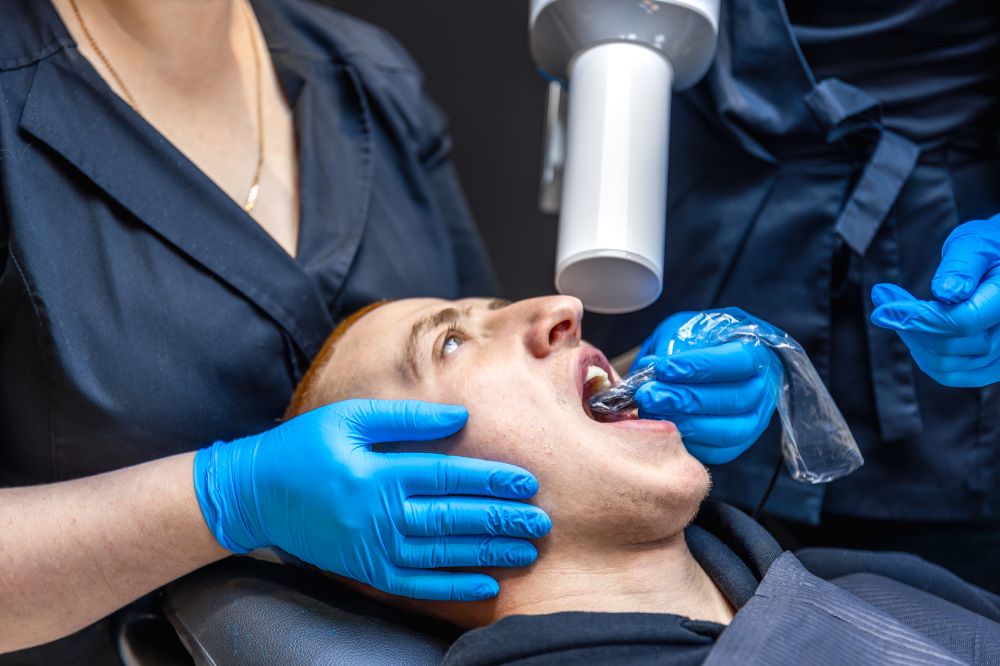
A dental emergency can happen at any time and often without warning. Acting quickly can help reduce pain and prevent further damage. Reaching a dentist near you as soon as possible helps you get the right care without delay and avoid complications. Knowing what to do in those first few moments makes a big difference. Simple steps can help protect your teeth and improve the outcome before you receive professional care.
Common Types Of Dental Emergencies
Dental emergencies can vary from mild discomfort to serious injuries. Understanding the type of problem helps you respond better.
Here are some common situations.
- Severe tooth pain
- Broken or chipped tooth
- Knocked out tooth
- Bleeding gums or injury
These situations need quick attention to avoid worsening conditions. Taking early action helps protect your teeth and supports faster recovery.
When To Contact An Emergency Dentist
Not all dental problems are emergencies, but some need immediate care. Knowing when to act can help prevent serious issues.
Here are signs you should not ignore.
- Severe or constant pain
- Swelling in the face or gums
- Loose or knocked out teeth
- Signs of infection
In such cases, contacting an emergency dentist near you helps you get timely treatment. Quick care can reduce pain and prevent further complications.
Steps To Take During A Dental Emergency
Taking the right steps can help manage the situation until you reach a dental professional. Staying calm is important.
Here are some steps to follow.
- Rinse your mouth with clean water
- Apply a cold compress to reduce swelling
- Keep any broken tooth pieces safe
- Avoid chewing on the affected area
These actions help control the situation and reduce discomfort. They also help protect the tooth until proper care is given.
What To Do For A Knocked-Out Tooth
A knocked-out tooth needs immediate attention to increase the chances of saving it. Handling it properly is important.
Here are the steps to follow.
- Pick the tooth by the crown
- Rinse gently without scrubbing
- Place it back if possible
- Store it in milk if needed
Quick action can help save the tooth. Getting to a dental office near you as soon as possible improves the chances of successful treatment.
Managing Pain And Swelling
Pain and swelling are common during dental emergencies. Managing them can help you stay comfortable until treatment.
Here are simple ways to manage it.
- Use a cold compress
- Take over-the-counter pain relief
- Avoid hot or hard foods
- Keep your head elevated
These steps help reduce discomfort and prevent the issue from worsening. Proper care also helps you stay stable until you see a dentist.
Why Quick Treatment Matters
Waiting too long can make the problem worse. Getting care early helps reduce risks and supports faster healing.
Here are reasons to act quickly.
- Stops infection from spreading
- Reduces pain
- Helps save the tooth
- Avoids bigger treatments
Acting fast helps protect your oral health. It also reduces the need for more extensive treatments later.
How To Prevent Dental Emergencies
Some dental problems can be avoided with proper care and regular attention. Taking simple preventive steps helps lower the risk and keeps your teeth safe from damage or sudden dental issues.
Here are some helpful tips.
- Go for regular dental checkups
- Avoid biting or chewing hard objects
- Wear protective gear during sports
- Follow good oral hygiene habits
These steps help you avoid sudden dental problems and discomfort. They also support long-term oral health and help keep your teeth strong and stable.
Finding The Right Dental Care
Having access to the right dental support makes a difference during emergencies. Planning can help you act quickly. Patients often look for a dentist in Upper East Side to ensure care is nearby when needed. Knowing where to go helps reduce stress and ensures a faster response during urgent situations.
Take The Next Step For Your Dental Health
Dental emergencies can feel stressful, but quick action helps protect your teeth and reduce discomfort. Lee Dental & Facial provides care focused on comfort and timely treatment. You can reach out and take the next step toward getting the care you need.
Frequently Asked Questions
1. What should I do if I break a tooth?
You should rinse your mouth and see a dentist as soon as possible.
2. Is a chipped tooth a dental emergency?
It can be, especially if there is pain or sharp edges.
3. What should I do if my tooth starts hurting suddenly?
You should avoid chewing on that side and contact a dentist.
4. When should I see a dentist for swelling?
You should go if the swelling is bad or not getting better.