

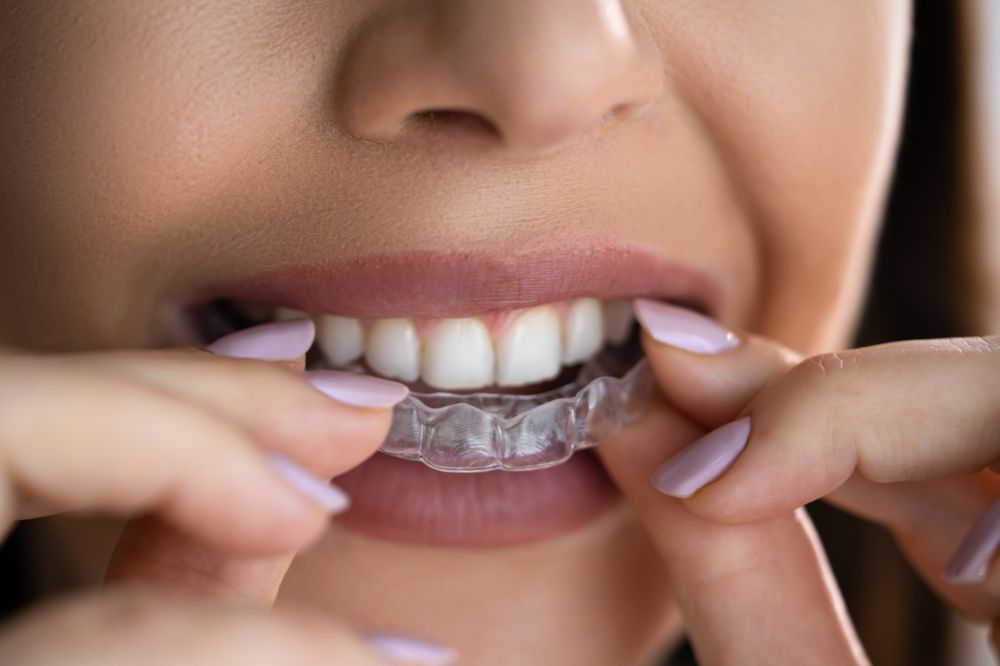
If you visit a dental office near you because of jaw pain, teeth grinding, headaches, or sore facial muscles, a night guard may be suggested during your visit. Night guards are often used to protect the teeth from pressure while sleeping. They may help reduce damage from grinding, but they may not always treat the real reason behind the problem. Looking for Night Guards in Englewood Cliffs can help you manage grinding and jaw pressure during sleep. But sometimes teeth grinding and clenching may also be linked to breathing problems at night. Changes in breathing during sleep may affect how your jaw muscles work and how your body reacts while you sleep.
Why Do People Use Night Guards?
Night guards are commonly used to lower the pressure caused by grinding and clenching. They are worn while sleeping and fit over the teeth.
Night guards may help with:
- Teeth grinding
- Jaw pressure
- Tooth wear
- Sore facial muscles
- Morning headaches
These guards create a layer between the upper and lower teeth. For many people, they are used to help manage symptoms linked to clenching during sleep.
How Breathing Problems May Affect The Jaw
Some people grind or clench their teeth as the body responds to changes in breathing during sleep. When airflow becomes difficult, the jaw and facial muscles can get tighter.
This may lead to:
- Tight jaw muscles
- Teeth grinding
- Poor sleep
- Jaw discomfort
- Morning headaches
In some cases, grinding may not be the main problem. It may happen because of breathing changes during sleep.
Signs That Breathing May Be Affecting Sleep
Sleep breathing problems are not always easy to notice. Some signs may seem small at first and may slowly begin affecting comfort, sleep, and daily energy levels.
Here are some common signs:
- Snoring
- Dry mouth in the morning
- Feeling tired after sleeping
- Waking up often during the night
- Jaw tightness after waking up
Some people may wear a night guard for years without knowing that breathing patterns may also be part of the problem.
Can A Night Guard Fix The Main Problem?
A night guard may help protect the teeth, but it may not always treat the reason behind grinding or jaw pressure. If sleep breathing problems are involved, more evaluation may be needed.
A dentist may check:
- Jaw movement
- Signs of tooth wear
- Breathing patterns
- Airway concerns
- Sleep habits
Looking at the full picture may help explain why symptoms continue even when a night guard is used regularly.
Can A Night Guard Stop My Morning Jaw Clicking?
Many people ask, can a night guard stop my morning jaw clicking? The answer depends on what is causing the clicking in the first place. Sometimes jaw clicking happens because of teeth grinding or clenching during sleep. In other cases, it may be connected to jaw joint strain, muscle tension, or breathing problems at night. A night guard may help lower pressure on the jaw and protect the teeth from grinding. But if jaw clicking continues, a more detailed evaluation may still be needed to understand the actual cause.
Why Mouth Breathing May Matter
Breathing through the mouth during sleep may place extra strain on the jaw and facial muscles. It may also affect sleep quality over time.
Mouth breathing may lead to:
- Dry mouth
- Snoring
- Poor sleep
- Jaw tightness
- Teeth grinding
Some people may not know they breathe through their mouth at night until symptoms begin affecting their comfort and sleep.
When To Talk To A Dentist
Jaw discomfort, grinding, and poor sleep can happen for different reasons. Speaking with a dentist may help you better understand what may be causing these symptoms.
A dental visit may help check for:
- Tooth damage from grinding
- Bite pressure
- Jaw joint problems
- Signs of clenching
- Possible airway concerns
If you are searching for Night Guards near you, you may be looking for relief from teeth grinding and jaw discomfort. A proper evaluation may also help determine if breathing patterns are connected to the problem.
Learn More About Your Jaw And Sleep Health
Jaw discomfort and teeth grinding can affect your comfort and sleep quality. At Lee Dental & Facial, patients can talk about concerns related to grinding, jaw tension, and night guards in a comfortable setting. Booking a visit may help you better understand your symptoms and possible treatment options.
FAQs:-
1. Can a night guard help with teeth grinding?
Yes. A night guard may help lower pressure and protect the teeth from grinding during sleep.
2. Can breathing problems cause jaw clenching?
In some cases, poor airflow during sleep may lead to jaw tension and grinding.
3. Why do I wake up with jaw pain?
Morning jaw pain may be linked to grinding, clenching, or muscle tension during sleep.
4. Should I still wear a night guard if my symptoms continue?
It is important to speak with a dentist if symptoms continue, especially if breathing or sleep concerns may also be involved.